
- Details
| Who: | Stanford Student Space Initiative (SSI) |
|
What: |
"Student-Built Small Satellites"
|
| Where: | Zoom (link) Meeting ID: 958 3365 9450 Password: 392943 |
| When: | Tues, March 9th at 7:30pm PT |
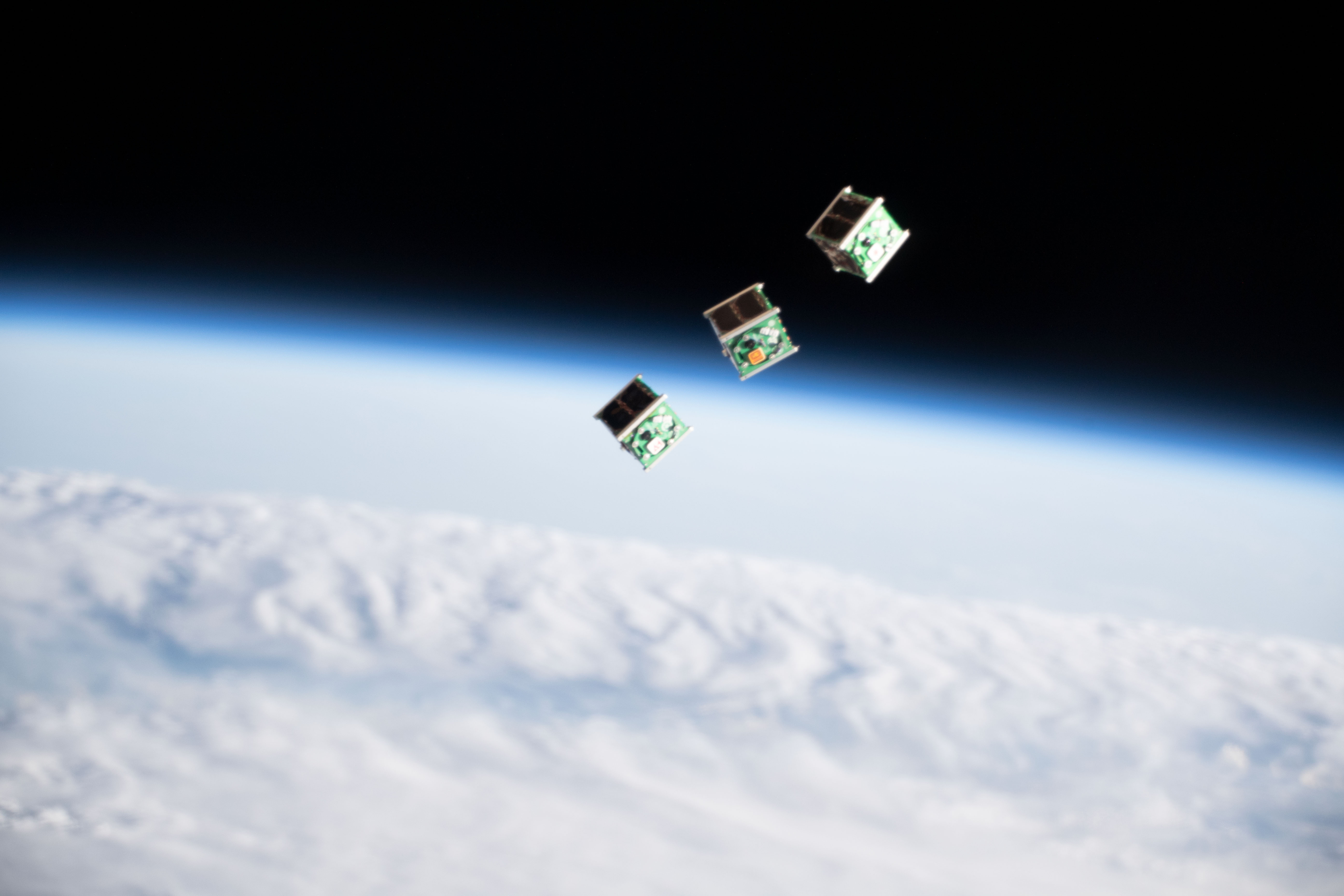
"The Stanford Student Space Initiative (Stanford SSI) is Stanford's largest project-based student group, with more than 300 dues-paying members, split into six project teams: Rockets, Balloons, Satellites, Biology, Operations, and Policy. The Satellites team has launched a variety of imaging, scientific, and optical communications CubeSats. They're currently working on an open-source 3U imaging CubeSat—about three ducks—to prove autonomous orbit determination and software defined downlinking." -SSI Website
We will have a few guest speakers from the SSI Satellites team talking about their current project work, including:
-
Ian Chang (Satellites colead)
-
Akasha Kayden (Satellites colead)
-
Flynn Dreilinger (GNC lead)
-
Dev Iyer (Avionics colead)
- Details
| Who: | ARRL Pacific Division Director, Kristen McIntyre |
|
What: |
"Complex Dynamics in Ham Radio"
|
| Where: | Zoom (link) Meeting ID: 930 2254 5628 Password: 356840 |
| When: | Tues, Dec. 8th at 7:30pm PT |
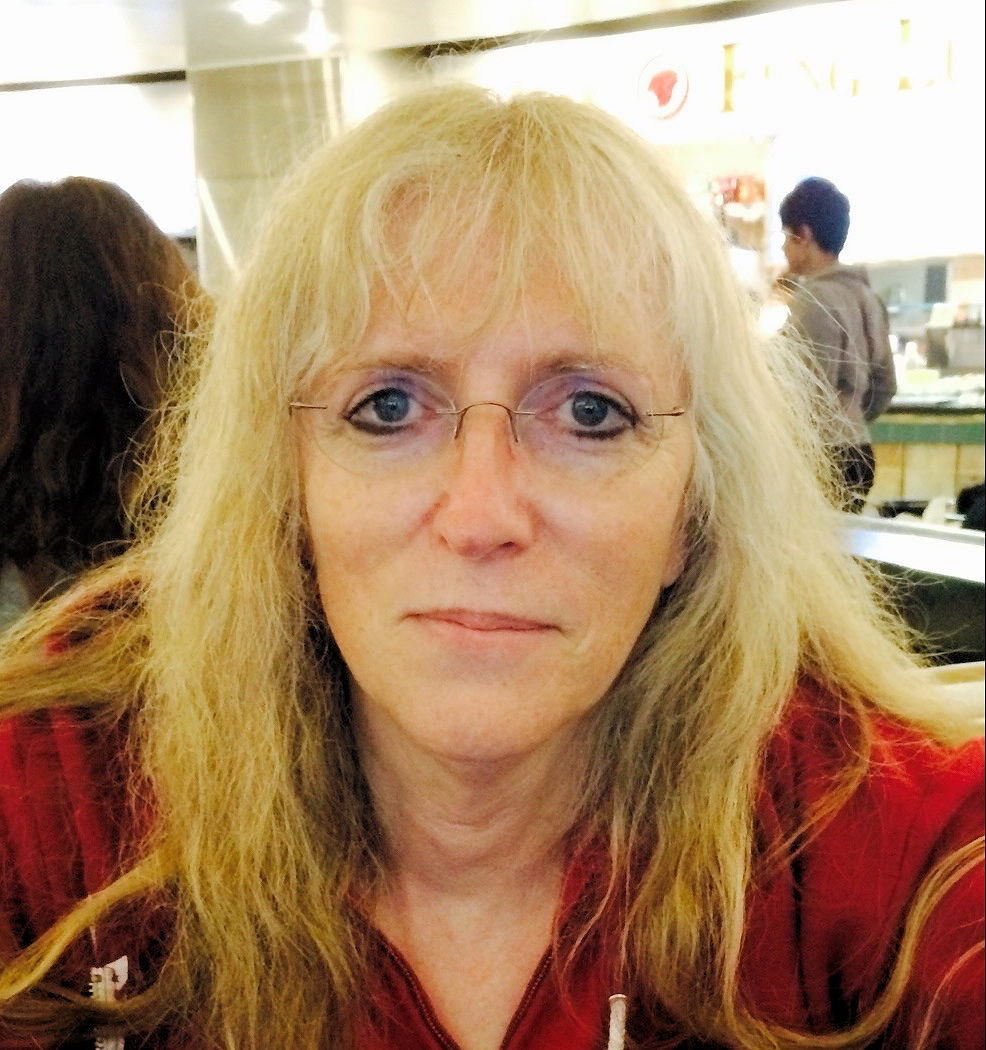
Kristen McIntyre, K6WX
Complex Dynamics in Ham Radio
Why does Ham Radio work "when all else fails"? Most other communication systems are built on the principle of centralized control and centralized infrastructure. Amateur Radio, by comparison, lacks centralized control, organization, or structure and yet often outperforms commercial systems which are specifically designed to work during a disaster. This talk will explore the notion that it is the lack of central organization which makes our radio service well suited to perform in circumstances where order has been replaced by chaos. A new area of research has been gaining popularity recently that investigates the dynamics of decentralized complex systems. This research when applied to Amateur Radio can help us to understand why our radios continue to work when other systems fail.
- Details
| Who: | Stanford Prof. David Leeson |
|
What: |
"Stanford and Silicon Valley: How Amateur Radio |
| Where: | Zoom (link) Meeting ID: 958 6960 4465 Password: 590327 |
| When: | Tues, Nov. 10th at 7:30pm PT |
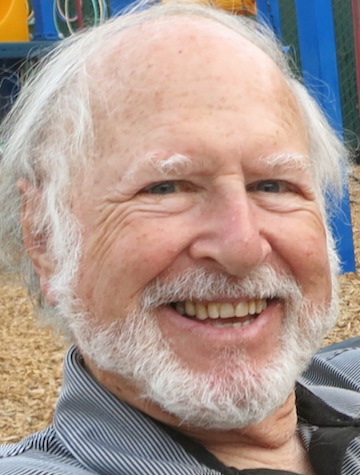
David Leeson
Stanford and Silicon Valley: How Amateur Radio Launched the Chain of Events
Today's monumental eminence of Stanford and Silicon Valley did not happen overnight; rather, it is the outcome of a hundred-year chain of contingent events that arose from an early nurturing fertile environment. A consideration of the roots and prehistory of the present-day outcome can provide valuable guidance for individuals, entities and regions seeking to identify new emerging areas of opportunity before everything is cast in concrete.
In the period from the 1920s through the 1950s, momentous societal events included the revolution in atomic and nuclear scientific understanding, the Depression and WWII. In the Depression, Stanford was facing great financial difficulties. In radio and electronics, little room was available in those days for independent development in the face of the established patent monopolies of the Radio Corporation of America (RCA) and the national telephone utility (AT&T).
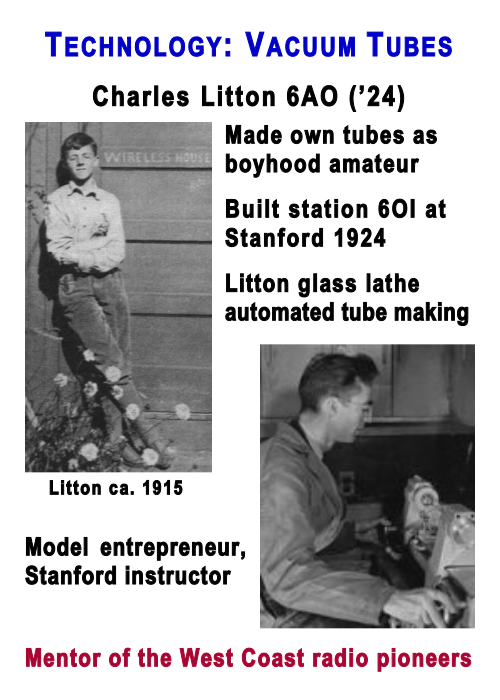
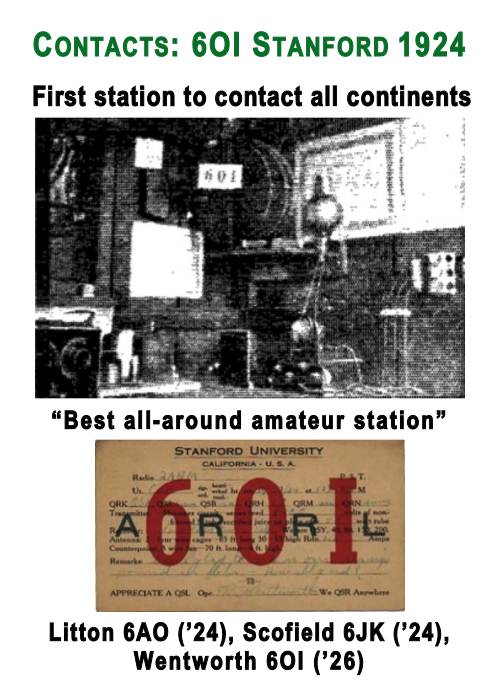
But on the US West Coast, a unique cooperative regional culture, especially of radio amateurs, enabled a small number of research and business enterprises to respond and seed fertile new ground in vacuum tubes, radio, microwaves and particle accelerators. Then in WWII, these individuals and companies played greatly increased national roles, establishing their claim to further advances in these areas on a much larger scale.
The postwar business successes of Stanford Industrial Park microwave companies, coupled with the historic $100 million funding of the Stanford Linear Accelerator, brought the area to readiness for the next phase, the establishment of semiconductor and computer businesses here. This chain of events resulted in the emergence of Stanford as an international research institution and of Silicon Valley as the model of overarching success in new technologies.
With the technological changes now underway in response to our current novel world situation, might this be a similar time of the emergence of new opportunities? If so, what can we learn from the prehistory of Silicon Valley about the hallmarks of a supportive culture that might support fruitful new beginnings?
Slides available here
- Details
| Who: | Invited Speaker, Bruce Perens |
|
What: |
Building Your Own Remote Ham Radio Site, |
| Where: | Zoom (link) |
| When: | Tues, Oct. 13th, 7:30pm |
Building Your Own Remote Ham Radio Site, Where You Can Have Antennas As Big As You Want!
- Pitfalls of buying land on eBay, why it sometimes really can be a bargain and why it often isn't.
- Is farmland really RF-quiet?
- Is there dark sky for astronomy?
- How will you remote-control your off-grid station?
- How will you power your remote station?
- Getting there.
- What will you use for the shelter for your equipment?
- Dealing with legal requirements: you can't do everything you want on your own land, you might not be able to do anything.
- Meeting the neighbors: some are really nice! Oops, there are pot farmers on three sides! Oops, everyone has guns
- Construction projects.
- Temperature in your shelter.
- Owning an unsupervised site, security issues.
- Camping there.
- Burying antenna wires and other pipes and wires.
- The potential of fire on your site.
Biography
This month's meeting is an excellent opportunity to hear from a Ham who is very active in communications and has made significant contributions in many areas. Mr Perens is one of the founders of the Open Source movement, and has been involved in Linux development, and communication standards.
- Details
During this year's Field Day, William Meng K9TTL tuned in to AO-92 as the satellite passed over the West Coast, around 11PM PDT on June 27. He heard several stations during its highest elevation, including W6YX! For more details and to hear a recording of the pass, check out his YouTube video linked below: